Virtual exhibit
In Case You're Curious
In case you're curious
Rediscovering items from a collection of over 8,000 objects formed the idea of featuring some of the odd and unusual ones in an exhibition. As you embark upon this artifact adventure, you will be taken around the globe.

Liquid Barrel Pump, Ohio, USA, 1901
Invented by Thomas Moon, the liquid barrel pump was used to draw liquid from a wooden barrel or keg and pumped into another smaller container. The liquid in the barrel was usually vinegar, cider or whisky. This pump is missing its original spout. The label claims that it can also be used to pump syrup, glycerin, turpentine, witch hazel, linseed oil, soldering flux, light oils and distilled water. This pump was sold together with vinegar filled barrels from the Wilson, Lytle, Badgerow vinegar company in Toronto in the early 1900s.

Imperial Dry Measure, England, 1834
The Imperial Standard Bushel was used to measure the volume of grain when buying and selling rye, wheat, corn, barley, oats, corn and flax. An Imperial Standard Bushel is equal to 8 gallons or approximately 36 litres. This Standard Bushel is made of brass and weighs a whooping 80 pounds or 36 kilograms. It was made by R.B. Bate, a maker of scientific instruments. In 1824, King George IV commissioned him to produce the new Imperial Standard Weights and measures to replace the old Crown Measurement from the 1600s.

Can Opener, North America, around 1870
Canned food became available in North America by 1822, but it wasn’t until 1855, thirty years later, that can openers would be invented. These early can openers were mostly just variations on a knife and required something sharp to pierce the lid of the metal can with a forceful blow. The sharp, triangular-shaped blade on this can opener was worked around the rim to get at the contents of the can. Lever-style can openers were a staple in the home until the 1920s, when the rotating wheel style can opener was finally perfected.

Mother of Pearl Shells, Waterloo, 1878-1920
These Mother of pearl shells were an important part of Waterloo’s manufacturing history. Beginning in 1878, Mother of pearl buttons were made in Waterloo at the Roschman Button Factory on Regina Street. Richard Roschman and Daniel Bauman imported these iridescent shells from Tahiti and Japan. After soaking the shells in water to soften them, a tubular saw cut discs, called blanks, from the shell. The blanks would be sanded, scrubbed and polished to produce a smooth, shiny surface. They were then drilled to make button holes. These shells were uncovered during the construction of the parking garage on Regina Street by Waterloo City Hall. Getting rid of the unused part of the shell was always a problem for button factories. It was common for workers to dump them into creeks and streams around the factory.
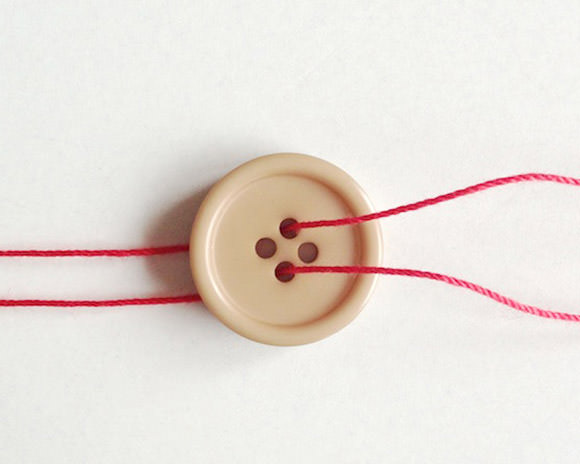
Button Whiz Craft
You can create a fun craft using a button:
-
Take a piece of string and feed one end through one of the button holes
-
Feed the same end of the string back through the button hole directly opposite the hole you just used.
-
Pull the button until it is in the middle of the string, and tie a knot with two loose ends of string.
-
Now you are ready to spin! Grab each end of the string with your fingers inside the loops and swing the button out in front of you like a mini jump rope. Pull and loosed the string quickly by bringing your hands together and apart in front of you, causing the button to spin.

Curling Trophy, PEY, 1973
This handmade curling trophy was likely presented to Seagram Distillers representatives as a gift from the Prince Edward Island curling clubs. Seagram Distillers became the official sponsor of the Canadian Mixed Curling Championship in 1973, the year took place in Charlottetown. The trophy contains 8 pins from various curling clubs and curling events in PEI. The shells decorating the trophy represent the shores of Prince Edward Island.

Wooden Draw Peg, Waterloo, around 1990
Draw pegs are made of a hard wood like oak. They are an important part in the construction of a timber frame building, like a Mennonite barn. The art of whittling a stick of wood down into a tapered peg is known as shaving. A peg is used to hold two beams together, each cut to fit the other. This is known as a mortise and tenon joint. Peg holes are drilled into the mortises slightly offset from the tenon hole so the peg can pull the two beams together for a snug fit when hammered in.

Centrifuge, possibly Waterloo, around 1950
If you need to wash and dry a pair of jeans in a hurry, you'll be awfully glad you have a centrifuge. That's what your clothes washer becomes when it spins wet laundry at high speed to remove the water from the jeans. Laboratories use small centrifuges to separate mixtures of things, like liquids from solids or liquids from other liquids. The heavier part of the mixture moves to the bottom and the lighter part stays on top. This centrifuge was used in the laboratory at Seagram Distillery in Waterloo. The liquids to be separated were held in the two aluminum test tubes. The force needed to spin the liquids apart was created by turning the handle. This probably took a long time and a lot of turning. Luckily, centrifuges today have a powerful motor to accomplish this work.
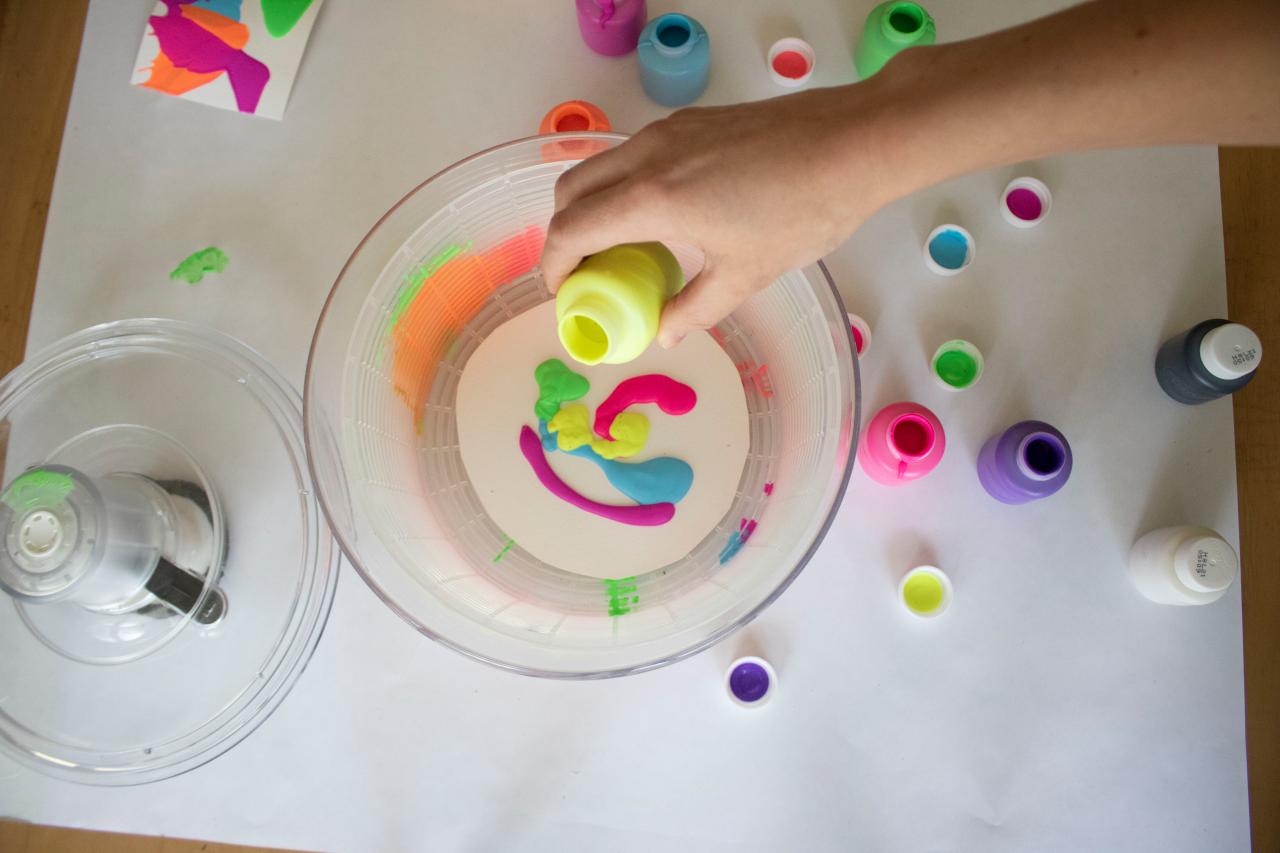
Centrifuge Art
To create your own spun artwork, follow these directions:
-
Put a paper plate into an old salad spinner
-
Add a few small squirts of different coloured paint on the paper plate
-
Put the lid on the salad spinner, spin the salad spinner a few times
-
Remove the lid and take a look at your masterpiece!
-
Carefully lift the paper plate out and let it dry

Fire Extinguisher, Colorado, USA, around 1955
This Red Comet portable fire extinguisher could be used in both homes and offices. It was designed to extinguish flames in two different ways. The glass “grenade” could be thrown at the base of the fire, breaking the glass and releasing the liquid chemical on the fire. This fire extinguisher could also be mounted high on the wall and work like a sprinkler. Heat from the fire melted the metal tab at the bottom of the plastic holder, releasing a spring inside. The spring then forced a metal pin upwards to shatter the glass globe. Small holes around the base of the plastic holder let the liquid spray down to put out the fire.

Freddie the Fireplug, USA, 1984
Freddie the Fireplug was recruited to the Waterloo Fire Department as a junior fire prevention officer - a first for all of Canada. Freddie was a remote controlled computer-operated hydrant that could spin, listen and talk. A fire prevention officer operated Freddie using a joy stick while speaking through a voice transmitter headset. Freddie’s eyes could blink when he talked and his pug-nose was a microphone that picked up people’s comments for the fire prevention officer to respond back to. When Freddie came to Waterloo, an artistic fire officer gave Freddie his eyes, mouth, tie, badge and label across his back. Freddie visited Waterloo shopping malls, schools, and even Canada’s Wonderland, spreading his message of fire safety to both children and adults alike.

Grape Drying Mat, Spain, 1925
This round mat, used to dry grapes, is made from a special grass called esparto. Esparto grass only grows in Spain, Portugal, Andorra and in Northern Africa. After grapes are picked off the vines, they are laid out on these round esparto grass mats in the sun for up to three weeks. The sun dries out the grapes, making them sweeter and more sugary – just like a raisin. The grapes are then pressed and made into an alcoholic drink called Sherry.

Carriage Lamp, Piladelphia, USA, around 1897
The brass Neverout Insulated Kerosene Safety Lamp was used as headlights on early motorized carriages. It was guaranteed not to leak kerosene oil or explode. The automatic wick ensured the flame would not go out if the lamp was bumped while driving. The lamp had an intense, steady front beam and red side and rear danger lights. It would stay lit for 16 hours after filling it with kerosene. In 1897, the Neverout Safety Lamp sold for $4.00 in the Sears Roebuck & Co. catalogue.

Peat Bog Clogs, United Kingdom, around 1910
Clogs were a common type of footwear worn by anyone from farmers to school teachers before the 1940s. People working in bogs harvesting peat wore clogs like these. The wooden soles kept men from sinking deep in the spongy, wet peat. On the bottom of the wooden soles are cackers; a thin metal horseshoe, nailed on the front and heel for grip and to stop the wooden sole from wearing out. Peat was and still continues to be harvested in large quantities in Ireland and Scotland for use in the whisky making process. Peat fires are lit under the whisky grains to dry them out. The smoke from these fires gives Scotch Whisky its distinctive flavour.

Match Striker, England, around 1895
Matches sit in the centre hole and are struck along the ridges on the edges of the striker’s pyramid base. This is what causes the friction to light the match. Match strikers and ashtrays were widely distributed and free of charge in the late 1800s by alcohol distillers to pubs, hotels and bars as a way to promote their brand of alcohol. But how does a match work?
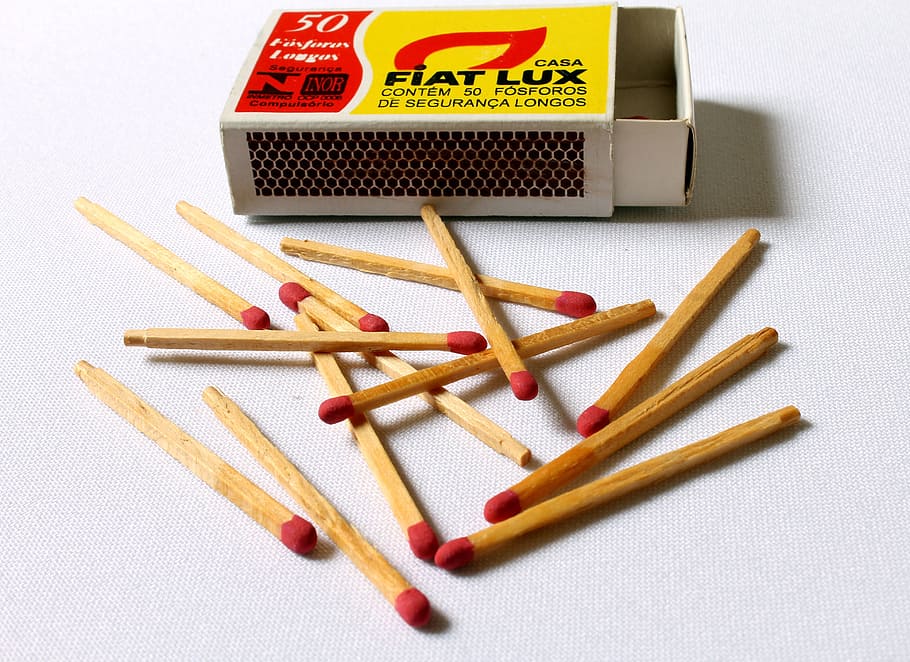
How does a Match work?
Rub the palms of your hands together quickly!
The term for rubbing two surfaces against each other (like the palms of your hands) is called friction. Doing this creates energy and energy creates heat. Do you feel the warmth that rubbing your hands together creates?
A safety match works in the same way, except with a few special chemicals. The red tip of a match is covered in special chemicals, such as sulphur and powdered glass. The rough strip on the matchbox is made of special products too, such as sand, powdered glass and phosphorus. When the tip of a safety match is struck against this special surface, the friction between the powdered glasses on each side creates heat that ignites the sulphur on the match tip. The heat and fire is passed along to the wood of the matchstick.
A Strike Anywhere match has the chemical phosphorus added to the tip of the match. This lets you strike the match against any rough surface, like the ridges on the match holder on display. Strike Anywhere matches are the only matches with two colours on the match tip.

Eau de Cologne, France, around 1900
Roger & Gallet’s Jean Marie Farina Cologne Extra Vieille was first made in 1806. The fragrance is described as an “aromatic citrus scent in the top notes, offered by vibrant and sparkling citrus fruits (bergamot, lemon, mandarin, orange); the heart brings aromas of neroli, myrtle, petit grain, carnations, roses and rosemary, while the base hides a discreet spice clove twist.” Colognes are made up of various scents mixed in an alcohol base. If you look on the back of the bottle, it is clearly labelled “ALCOHOLIC.” Roger & Gallet continue to produce this perfume today. Women would bring in their perfume bottles from home to be filled from larger bottle like this one.

Perfume Bottles, England and USA, 1868-1900
Glass cut perfume bottles were luxury items produced by fine craftsmen. They came in a variety of sizes, shapes and materials. Women would bring their empty perfume bottles into the store to have them filled with their favourite fragrance. The long cut glass bottle is a lay-down perfume bottle, made by Gorman Silversmiths of Rhode Island in 1868. The other perfume bottles are stand up bottles. The etched glass bottle with the beautiful blue enamelled lid was made in England. The triangular shaped cut glass bottle is the only one with a flip up lid and was likely made in the USA. You can still smell the faint scent of the perfumes that each bottle held many years ago.
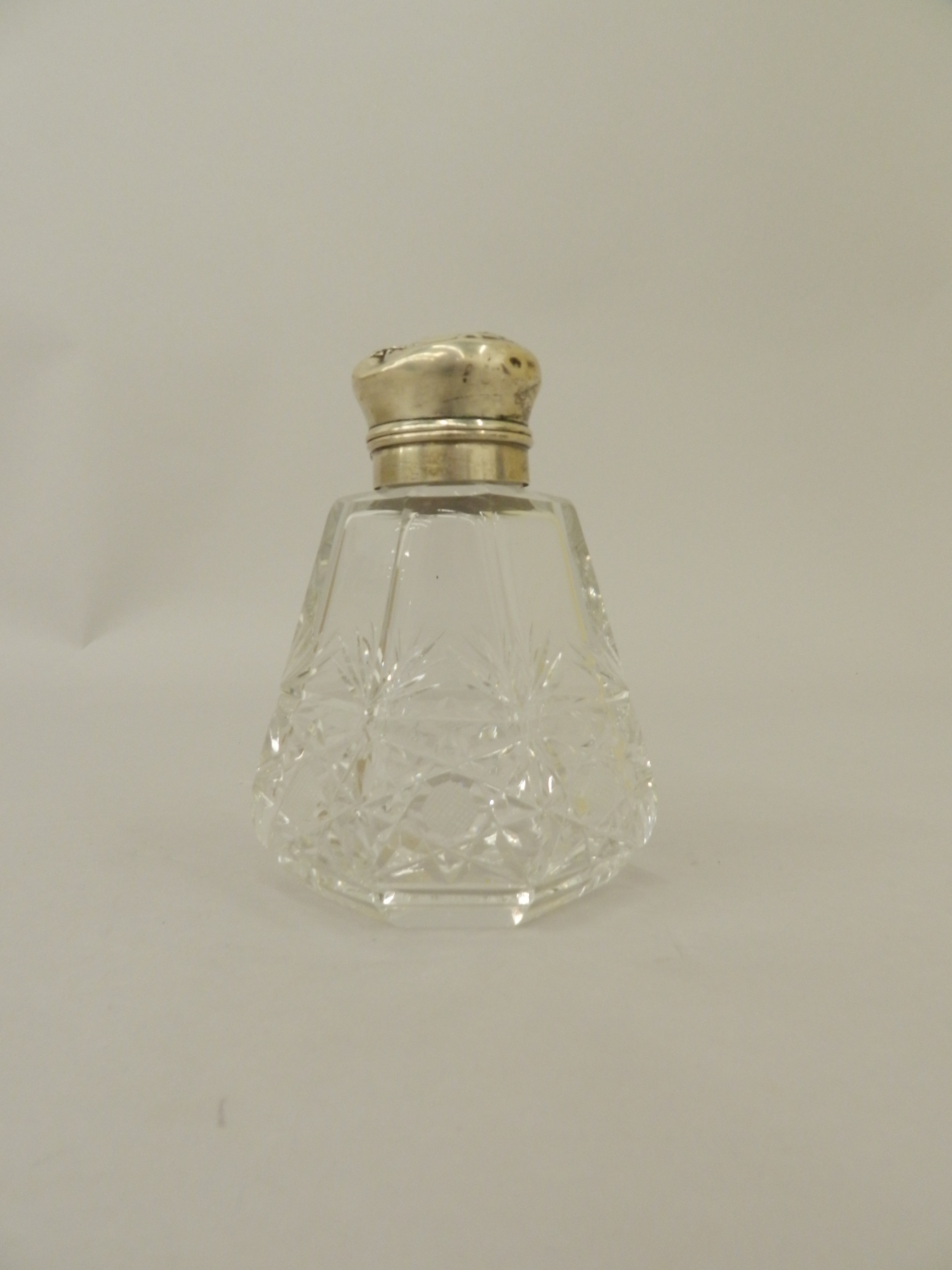
To make your own perfume, follow this recipe:
Ingredients: 1 cup water • 1 cup fresh chopped flower blossoms
Directions:
- In bowl, place cheesecloth so the edges hang over the bowl.
- Fill with 1 cup of flower blossoms of your choice.
- Pour water over the flowers until they are completely covered.
- Cover and let sit overnight.
- The next day, using the edges of cheesecloth, pull it out of the bowl and gently squeeze the scented water into a small pot.
- Simmer the water until about 1 teaspoon is left.
- Cool and place into a small bottle. Making perfume this way has a shelf life of about 1 month.
Some suggestions for flowers: Orange Blossoms or Honeysuckle.

Pottery Miniatures, possibly Egypt, 1st Century BCE
From the earliest periods of Egyptian history, all Egyptians were buried with gifts that they believed were necessary to take with them to the afterlife. Many objects found in tombs were ordinary things: tools, combs, pots, chests, baskets and amulets. Pottery containers which held food were essential to ensure eternal life. These miniatures represented the larger pottery vessels along with the food and drink they would hold. These burial gifts, including pottery, gave the deceased the magic that was needed to help them in the afterlife. Because of the popularity of Egyptian artifacts, we cannot be sure that these miniature pottery vessels are truly from first Century Egypt or very clever fakes.

Wooden Pipe Section, unknown location, around 1870
When construction began in 1960 for the new Waterloo Town Square Mall on King Street, a wooden pipeline was found buried 5 meters underground. The pipeline was used to move liquid distillery waste from the Seagram Distillery on Erb Street to the Seagram Farm (Weber and Bridgeport Streets) to feed the 1200 cattle. No one knows exactly how or where the pipes were made, or even what kind of wood they were made from. The metal banded pipeline ran for almost 1.5 kilometres, some pieces being up to 5 meters long with a perfectly drilled out 9-centimeter hole.

Dress Sporan, Scotland, date unknown
A sporran is the Scottish word for purse. It is a traditional part of a man’s Scottish Highland costume. Since Scottish kilts have no pockets, a sporran acts like a pocket to hold money or any other things. Sporrans hang from the waist, low down on the front of the kilt. This type of sporran is a bag piper’s dress sporran. It is made of silver, leather and horse hair.

Molinillo, Mexico, around 1960
A molinillo [moh-lee-NEE-yoh] will turn your hot chocolate into a frothy drink. This elaborate turned wood stick is placed in a pot of hot milk and Mexican chocolate. You spin the molinillo back and forth between the palms of your hands to froth up the hot chocolate. These miniature sized molinillos were used for single cups of hot chocolate. Mexican chocolate is very sweet and typically flavoured with cinnamon and nuts. The flat, disc shaped chocolate is chopped up and added to hot water or milk and then frothed with the molinillo.
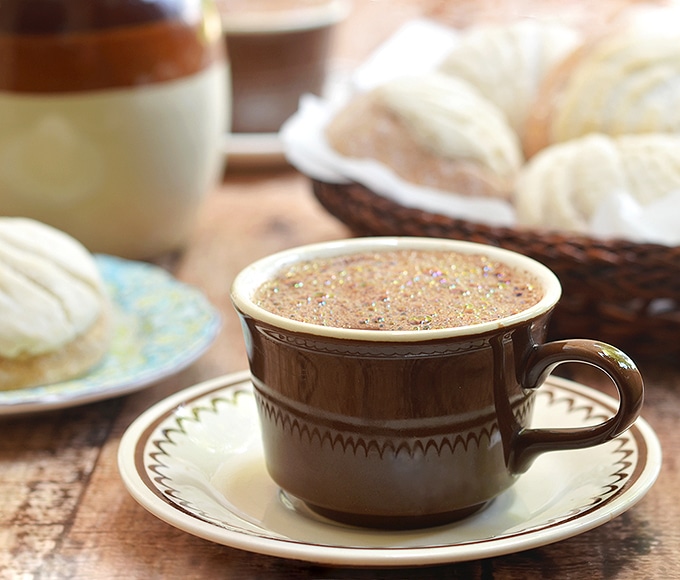
Mexican Hot Chocolate Recipe
You can make your own cup of delicious Mexican hot chocolate with this recipe:Ingredients:
-
4 cups whole milk
-
1 (3.1-ounce) disc Mexican chocolate - found in Hispanic and gourmet grocery stores
Directions:
-
In a heavy sauce pot, over medium-high heat, bring the milk and chocolate to a boil.
-
Reduce the heat to medium-low and simmer for 20 minutes, whisking constantly until the mixture is frothy and the chocolate has dissolved completely.
-
Remove the pan from the heat and serve immediately.

Shak-Rite, Rockford, Illinois, USA, around 1920
The Shak-Rite is a very rare electric cocktail shaker that came from the estate of Harold G. Hoffman, former Governor of New Jersey and lover of parties. This is the only electric shaker known to exist. A patent date of April 15, 1919 is visible on the cast iron base. The bar top shaker has two speeds and a timer, able to shake up many drinks without tiring out the bartender.

Swagger Stick, possibly Canada, around 1940
Swagger sticks are carried by military officers when in formal uniform as a symbol of rank. They were first used in the 1700s to direct military drills and manoeuvres, or to administer physical punishment to soldiers. Some officers posted to dangerous cities or countries would carry a swagger stick with a concealed triangular blade like this one, to use in case of danger. The swagger stick on display belonged to Donald Roberts (1902-1978), former Mayor of the City of Waterloo from 1952-1953. Roberts was a decorated officer and served as a Captain in Scots Fusiliers Regiment from 1940-1957.

Sugar Cutter, England, around 1860
This sugar cutter was made around 1860 in England. Up until Victorian times, sugar could only be bought in solid cone-shaped loaves. After chunks of sugar were cut off the hard whitish cone with a hammer and chisel, sugar cutters were used on these larger chunks to turn them into lumps and crumbs. This was difficult work. When serving sugar to guests, the sugar would be nipped into neat lumps. Before the 1800s, sugar was very expensive and was often kept in locked boxes and used only for special occasions.
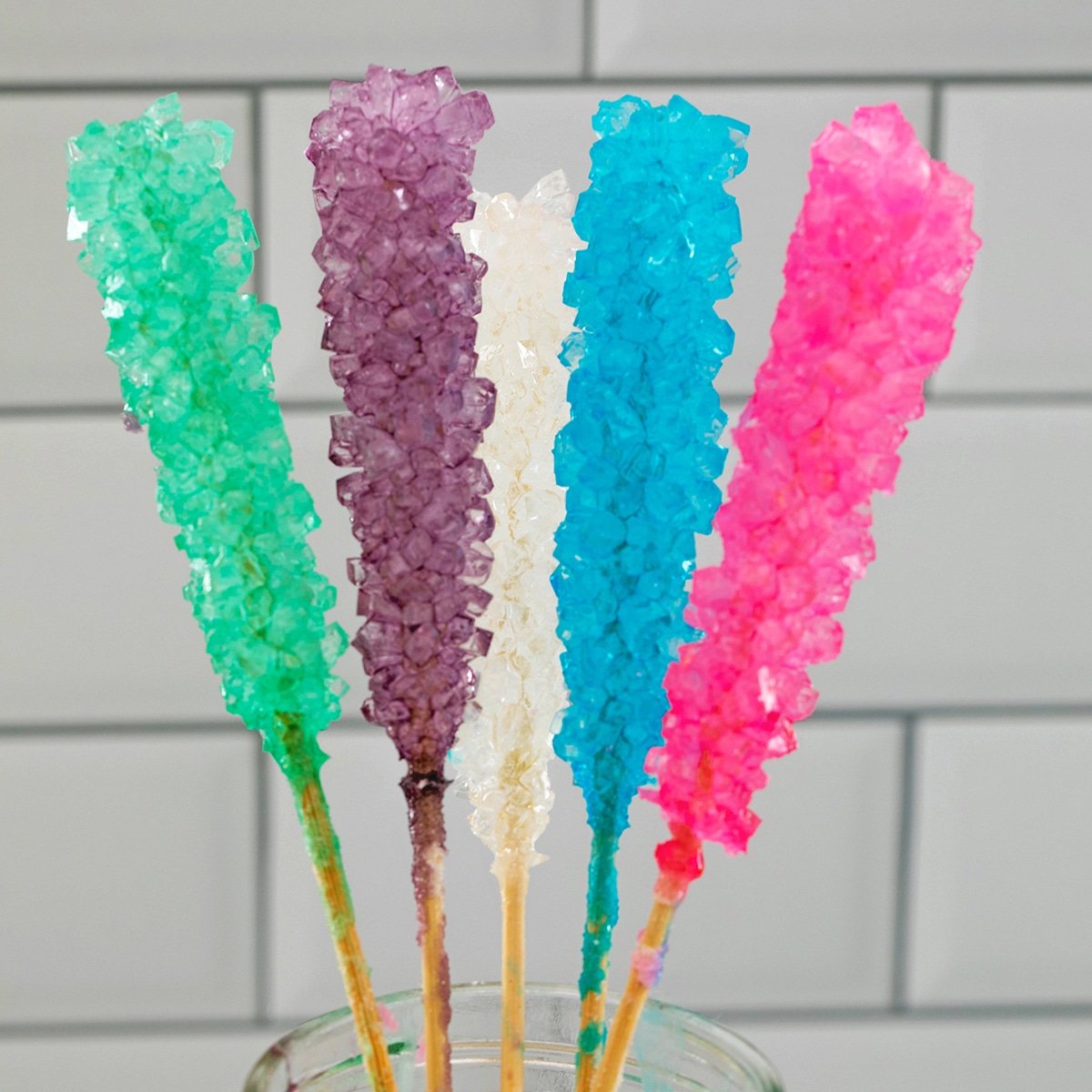
Rock Candy Recipe
Create your own sweet treat by following the recipe for rock candy below:
Things You’ll Need:
- 1 cup water
- 2 cups sugar
- Paper or binder clips
- Food colouring
- 1 quart glass or jar
- Cotton string
- Popsicle stick or pencil
Directions:
- Sterilize the glass jar and paper clip by boiling both in water for a few minutes.
- Tie a short piece of cotton string to the middle to a pencil or popsicle stick.
- Attach the paper or binder clip to the end of string. (The clip will weigh the string down-this is important later.)
- Moisten string lightly and roll in sugar (this helps the crystals form on the string.)
- Place the pencil or stick over top of a jar. Make sure the clip is in the bottom of jar and the string hangs straight down into jar.
- Heat 1 cup water to boil.
- Dissolve 2 cups sugar in the boiling water.
- Add a few drops of food colouring if you like.
- Pour the sugar syrup into jar and leave for 2 to 3 days or until crystals form on the string.
- Crystals should start to grow in 2 to 4 hours and continue to grow for a couple of days. For big crystals, fast, heat the sugar-water solution a second time and dissolve extra sugar in it.