Virtual exhibit
Welcome Home: The Story of Veterans' Green
Welcome Home: The Story of Veterans' Green
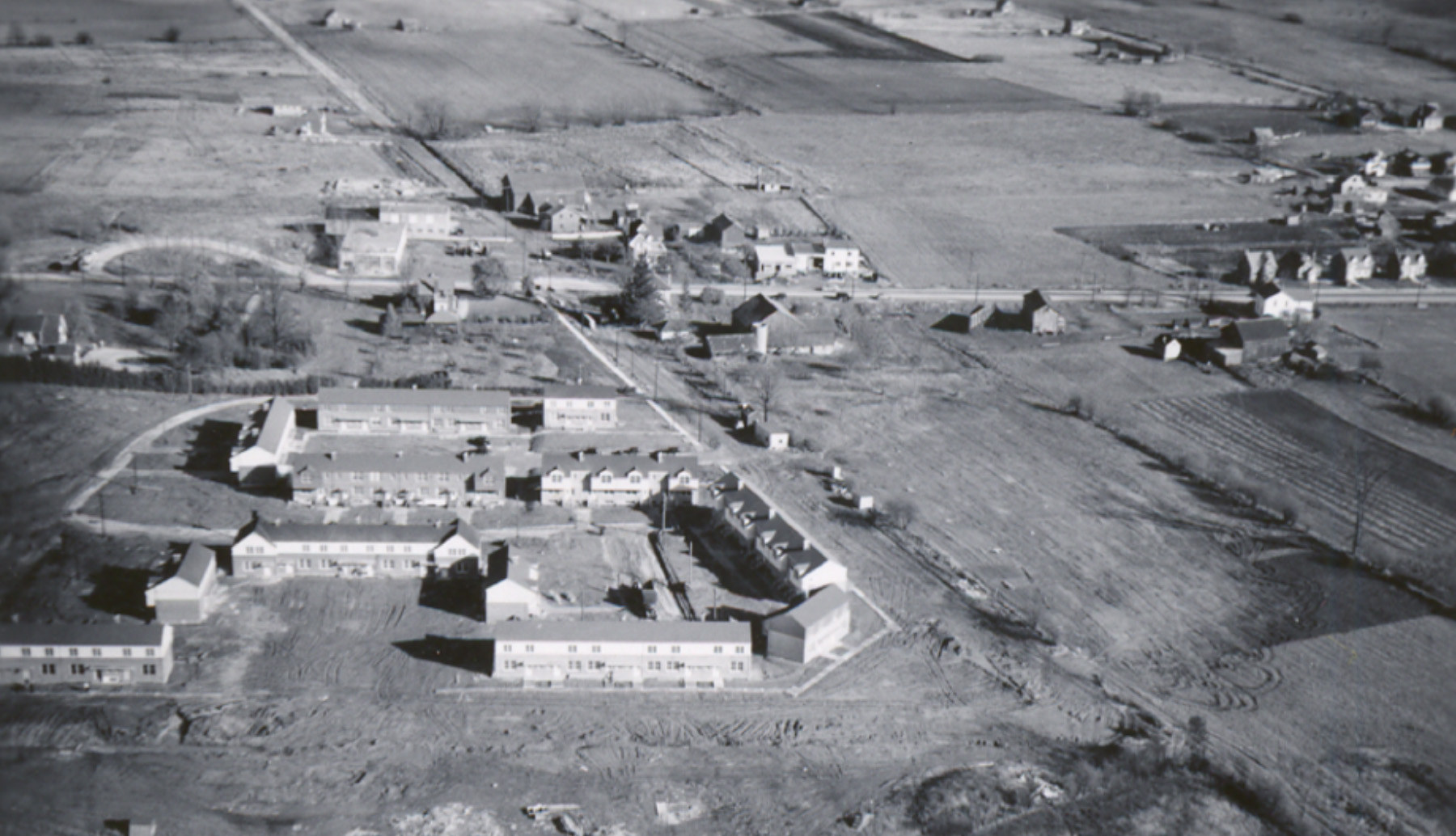
Over one-million Canadians enlisted for military service during the Second World War. For those who returned home, housing shortages were widespread. So, the Town of Waterloo and Housing Enterprises Canada Limited announced one of Ontario’s first housing projects for returning veterans in September 1946. This became known as the Veterans’ Green Neighbourhood Project.
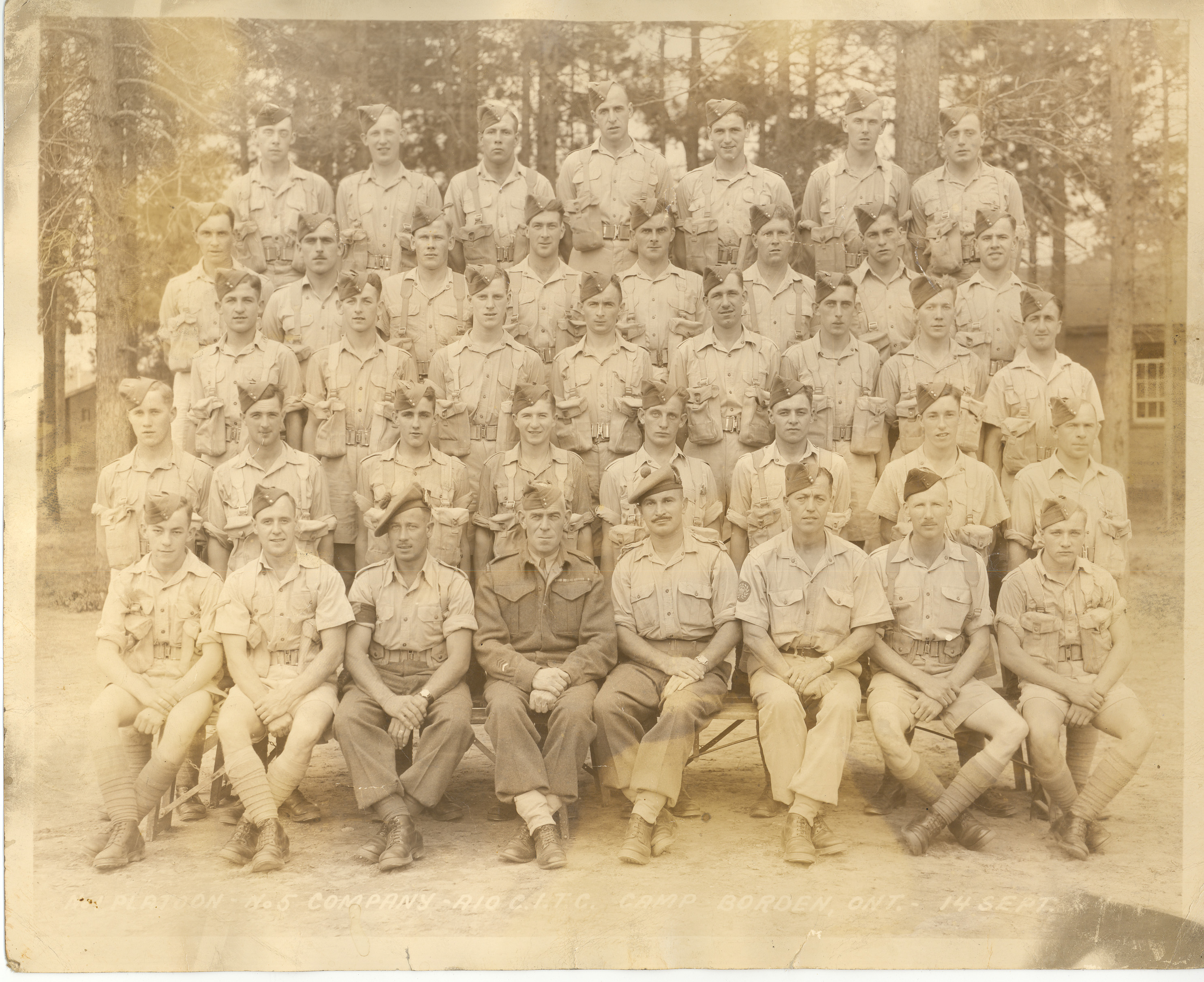
Canada and The Second World War
The invasion of Poland by Germany on September 1, 1939 marked the beginning of the Second World War. Britain and France declared war against Germany two days later. It was not until Britain appealed to her colonies that Canada answered the call to join the fight.

At the beginning of the Second World War, Canadian Armed Forces consisted of a grand total of 10,000 Army, Navy, and Air Force personnel. There were no planes or tanks and only a few military ships. The Second World War became the largest mobilization of people, industry, and business in Canadian history.

The Canadian military was ill-prepared for war overseas. The army was short of helmets and the militia of 50,000 was untrained and unarmed. To support their efforts overseas, the entire Canadian economy converted to war production. Overseeing Canada’s efforts was Prime Minister William Lyon Mackenzie King of Kitchener, Ontario.

Despite its initial unpreparedness, Canada would become a critical player on the path to victory. Their efforts included the liberation of the Netherlands and driving the Germans back across the Rhine River. Victory in Europe was declared on May 8, 1945. Victory in Japan was declared on August 15, 1945. Of the one million Canadian men and women in service during the Second World War, 1100 cam from Waterloo Region. Over 44,000 Canadians did not return and the Town of Waterloo lost 53 residents.
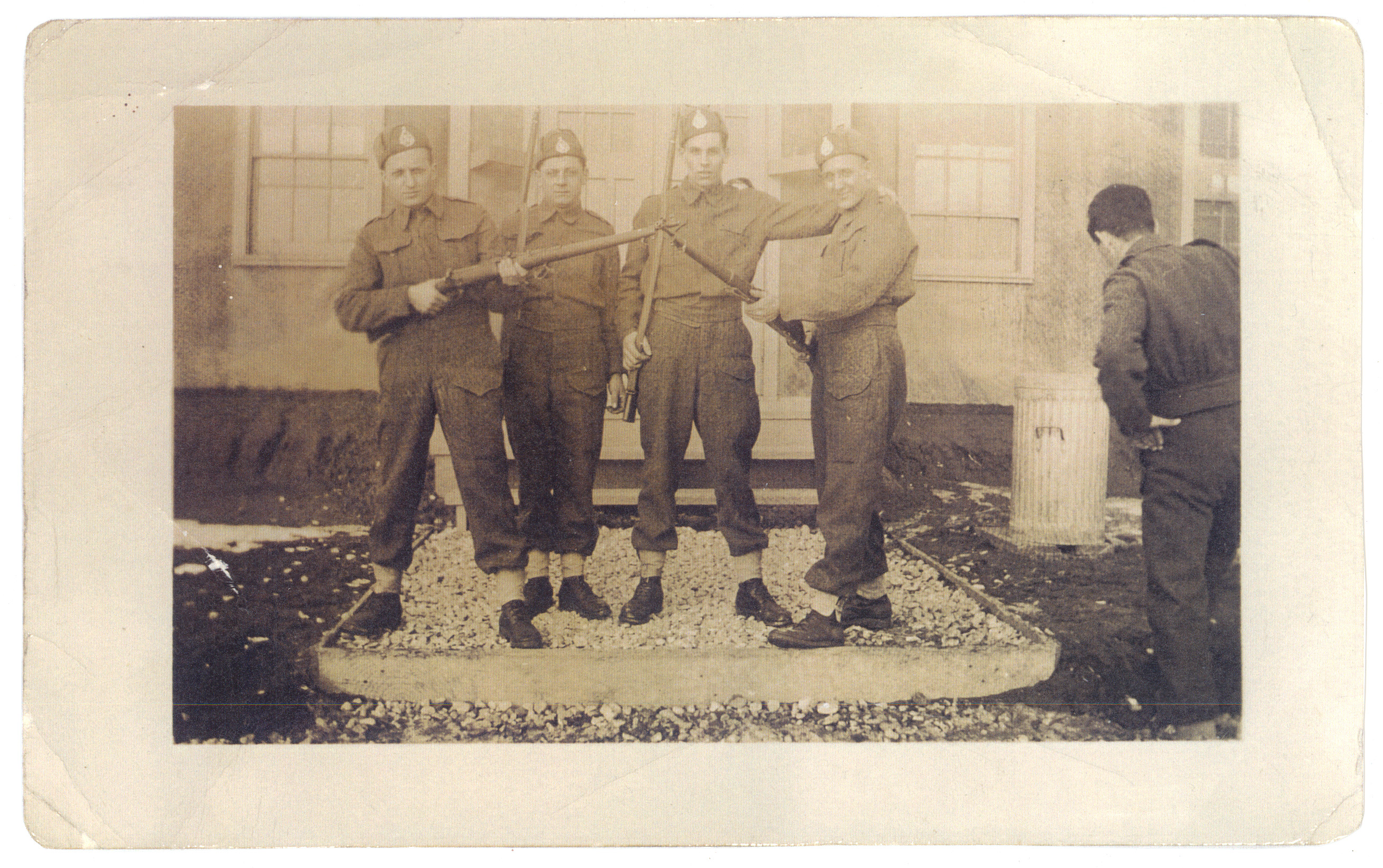

Sons of Waterloo
A Memorial to our War Dead: The Great War (First World War) 1914-1918 and the Second World War 1939-1945
For most of us, our understanding of war comes second-hand, through images seen in library books, the evening news or on a movie screen. Our closest connection to war may be the discovery of family wartime memorabilia, such as medals, photographs or badges tucked away in an attic or basement. For those of us born during peacetime, all wars seem far removed from our daily lives. We often take for granted our political choices and constitutional privileges. However, the men and women of Waterloo who voluntarily went off to war in distant lands did so with the belief that these freedoms and rights were being threatened. It is with this in mind that we honour and remember the ones that made the supreme sacrifice of war, our “Sons of Waterloo.”
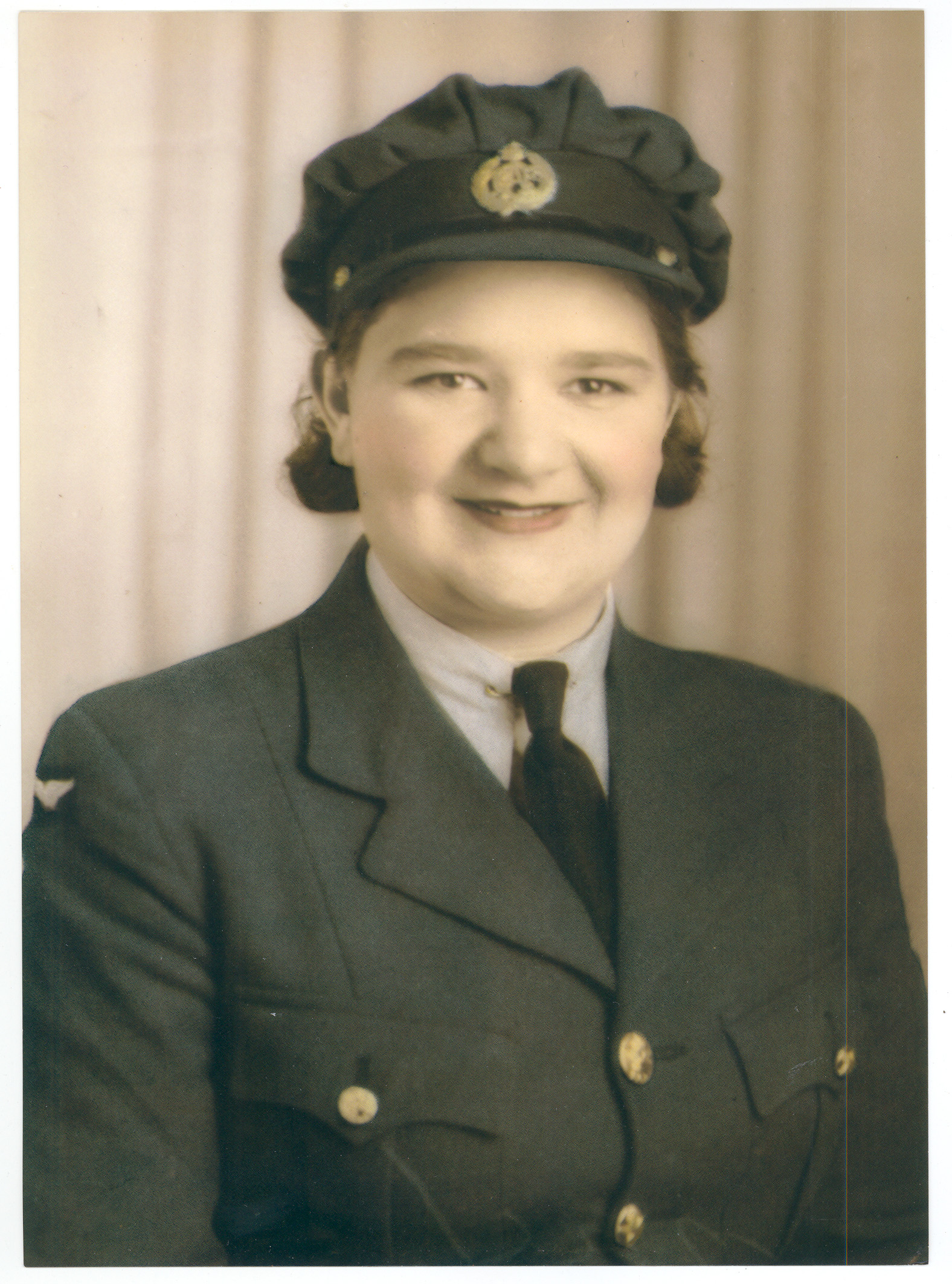
Canadian Women in the Second World War
For the first time in Canadian history, women were able to enlist in their own divisions of the Army, Navy, and Air Force. Although Canadian women were not allowed into combat training during WWII, they did nearly everything else. Tens of thousands joined the women’s divisions of the Armed Forces to work clerical, administrative, communication, and support jobs.

The Canadian Women’s Army Corps (CWAC) and the Royal Canadian Air Force, Women’s Division (WD) were formed in 1941. In the following year, the Royal Canadian Naval Women’s Service (Wren) was established. By the end of the war, 45,000 Canadian women had enlisted with one-in-nine serving overseas. By 1946, all three women’s services were disbanded only to be reinstated in 1950 during the Cold War.

Working Canadian women found their role model in Elsie MacGill, known as the “Queen of the Hurricanes.” MacGill worked as an aeronautical engineer at the Canadian Car and Foundry Company (CanCar). The 35-year-old supervised the production of Hawker Hurricane fighter planes. In January 1942, a comic book called “Queen of the Hurricanes” was devoted to MacGill’s wartime activities.
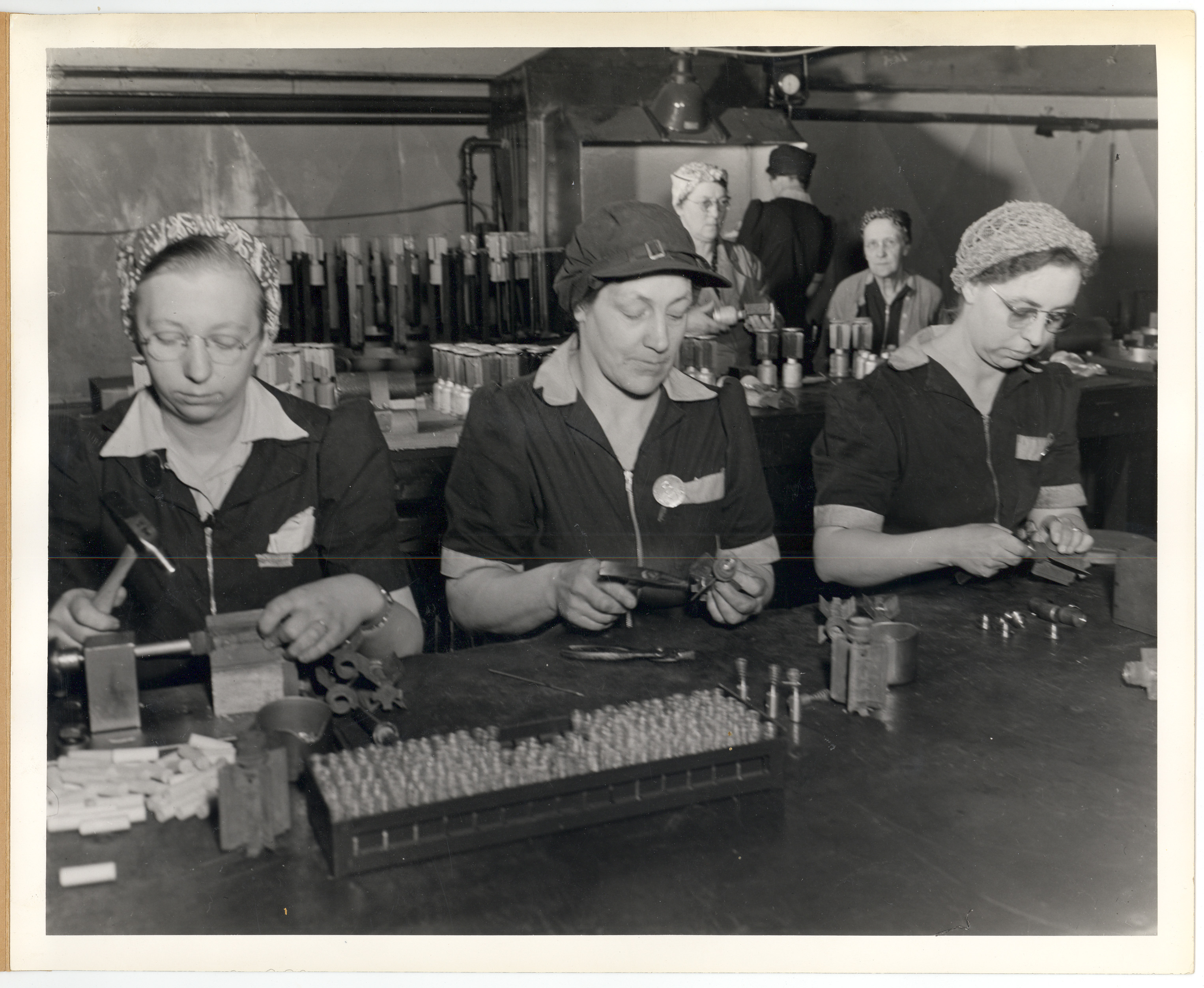

While some women chose to enlist, hundreds of thousands more stepped into traditional men’s work in wartime industry. At home and abroad, women became welders, pilots, nurses, and clerks in Canadian factories and foundries. The government offered women incentives such as free daycare to get them working. They were paid much less than their male counterparts.
Industry in Waterloo during the Second World War
The start of the Second World War marked the beginning of many significant changes in the Town of Waterloo. Prominent local businesses began shifting industrial production to benefit the War Effort. Waterloo experienced nothing short of what one survey dubbed an industrial revolution. The town experienced a net growth in the work force of more than 60 per cent or 8,037 employees between 1939 and 1943. The three major local contributors to the War Effort were Waterloo Manufacturing Company, Sunshine Waterloo Limited, and Joseph E. Seagram and Sons Limited.

Waterloo Manufacturing Company
The history of the Waterloo Manufacturing Company reaches back to the days before Confederation, into the agricultural roots of the nation. It is the story of a company at the physical and economic heart of the City of Waterloo; a company that closely mirrored the social and political fortunes of Canada.

The Waterloo Manufacturing Company was formed in 1888 by Absalom Merner and Elias E.B. Snider. They manufactured new and innovative farm machinery and quickly became a leader in Canada’s agricultural scene. Products such as the “Champion”, a thresher operated by gears and levers turned by horses or oxen, made farming easier and more productive.

With the arrival of gasoline-powered machinery in the 1920s and the stock market crash, the company was in extreme financial trouble. This changed with the outbreak of the Second World War. During wartime, the production of farm equipment yielded to the manufacturing of tank, ship and airplane parts. To do so, the company employed more than 450 people earning starting wages of 50 cents an hour. They built everything from steering mechanisms for Valentine tanks to fan engines for 10,000-tonne cargo vessels. Employees published the WATMANCO News, which was added to care packages sent to former employees who had joined the Armed Forces.

Sunshine Waterloo Company Limited
Sunshine was formed in 1930 by the association of Waterloo Manufacturing Co. Limited and H.V. McKay Ltd. of Sunshine Australia. Originally, the company planned to produce a self-propelled combine in Canada for sales in the United States and Argentina. Before the doors could open, the Great Depression struck. As a result, they decided to manufacture cheaper products like dyes and stampings for automobiles.

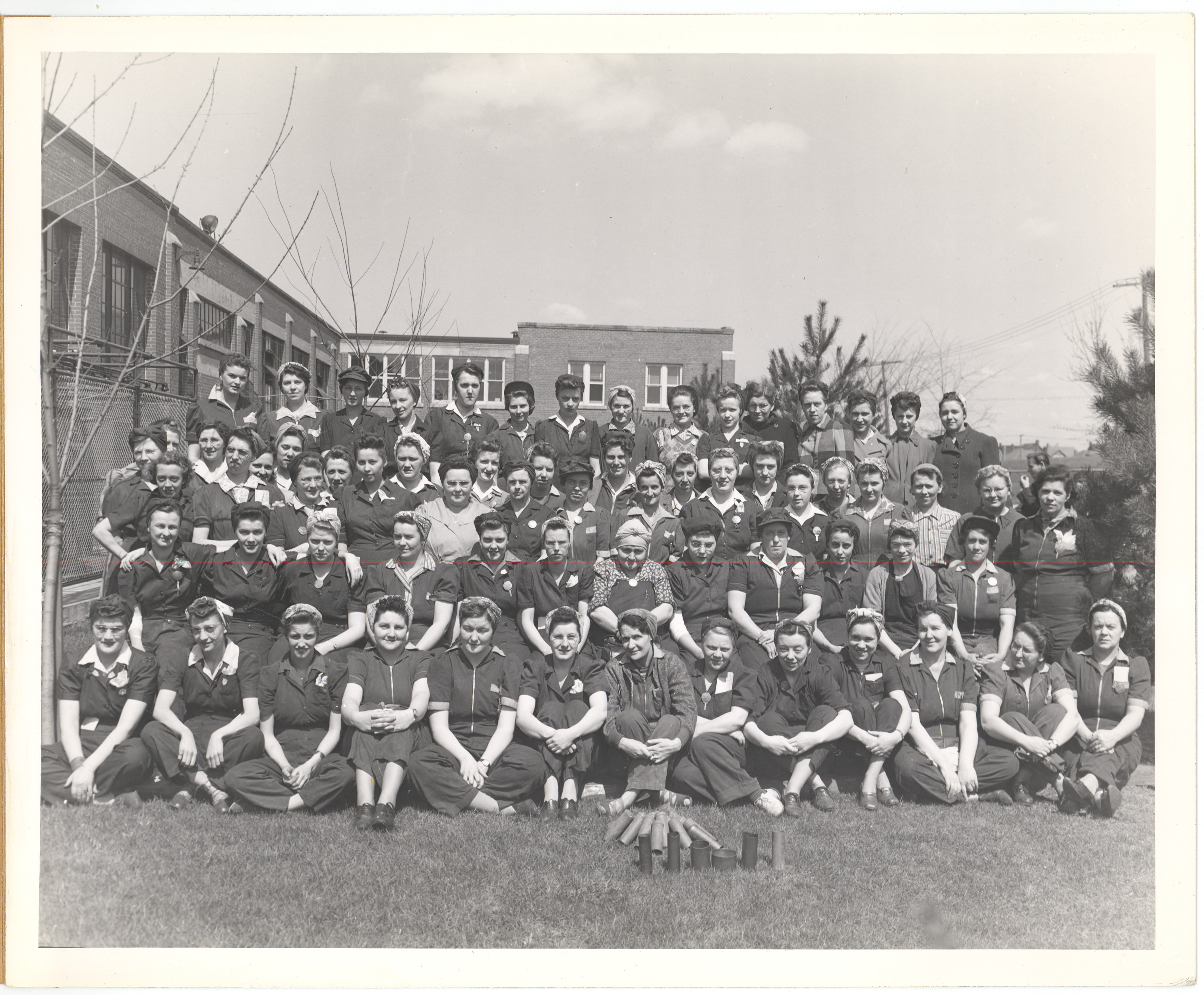
With Canada’s entry into the Second World War, the company switched to manufacturing bombs, anti-tank mines and components for planes and army vehicles. At its peak production during the War, Sunshine Waterloo employed over 1,200 workers, many of them women. . The company would later manufacture baby carriages, bicycles, tricycles, shelving and partitions.

Joseph E. Seagram and Sons Limited
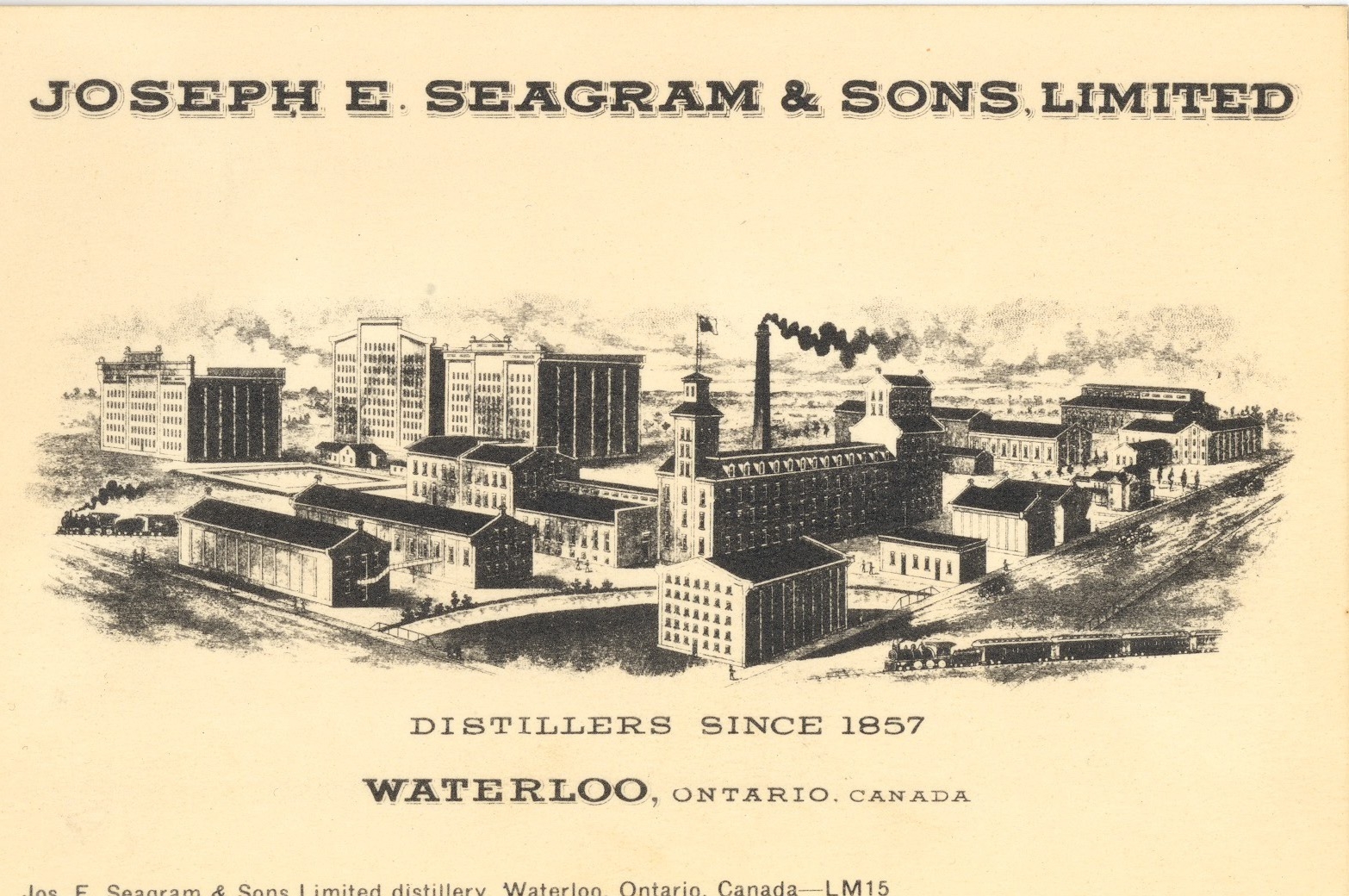
When the Second World War was declared, the Canadian Government diverted all distillers’ alcohol production to the War Effort. This resulted in a dramatic increase in the production of ethanol. In 1943, Seagram’s Waterloo plant turned to the production of wheat ethanol for War purposes. While some ethanol was used as fuel, most of it was used in the production of synthetic rubber. Synthetic rubber was in high demand since supplies of natural rubber had been cut off by the War in Asia. According to Seagram production records, the local plant distilled a total of 3,235,258.47 imperial gallons of wheat ethanol from 1943-1946.
With all production directed to the War Effort, inventories of aged spirit became depleted due to public demand. By late 1942, the Liquor Control Board of Ontario implemented a strict rationing program limiting purchases to one 12 ounce bottle per person, per month. This amount was increased to one 25 ounce bottle per month. From 1943-1944 Seagram’s Waterloo plant suspended most of its spirit production except for Canadian brandy. When peace was finally declared in 1945, Canadian Distiller’s supplies of aged spirits were so low that the rationing program was extended until 1947 to allow time to build up stock.
V-E Day in Waterloo
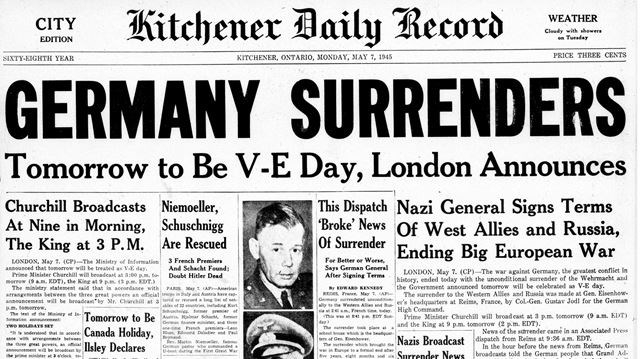
On May 7, 1945, the Kitchener Daily Record newspaper headline read, “Germany Surrenders: Tomorrow to be V-E Day, London Announces.” After almost six years of a terrible war, residents were ready to celebrate and remember lost loved ones.

Many people took to the streets as businesses and schools closed and churches opened their doors. Flags appeared and local factory whistles blew.

The old bell in the Fire Hall belfry was sounded by a sorrowful Waterloo Mayor, Albert Heer. Mayor Heer had lost his son, Private Robert Heer, who was killed in action in March of 1945.

The town prepared official homecoming celebrations for their local heroes. Waterloo Council appointed a special V-E Day Committee to plan a ceremony on Sunday, June 20 in Waterloo Park. Commemorative certificates were given to returning service members and the relatives of soldiers who would never return. A large sign was strung across King Street greeting those returning with the salutation, “Welcome Home You Have Served Well.”
A Home of Their Own
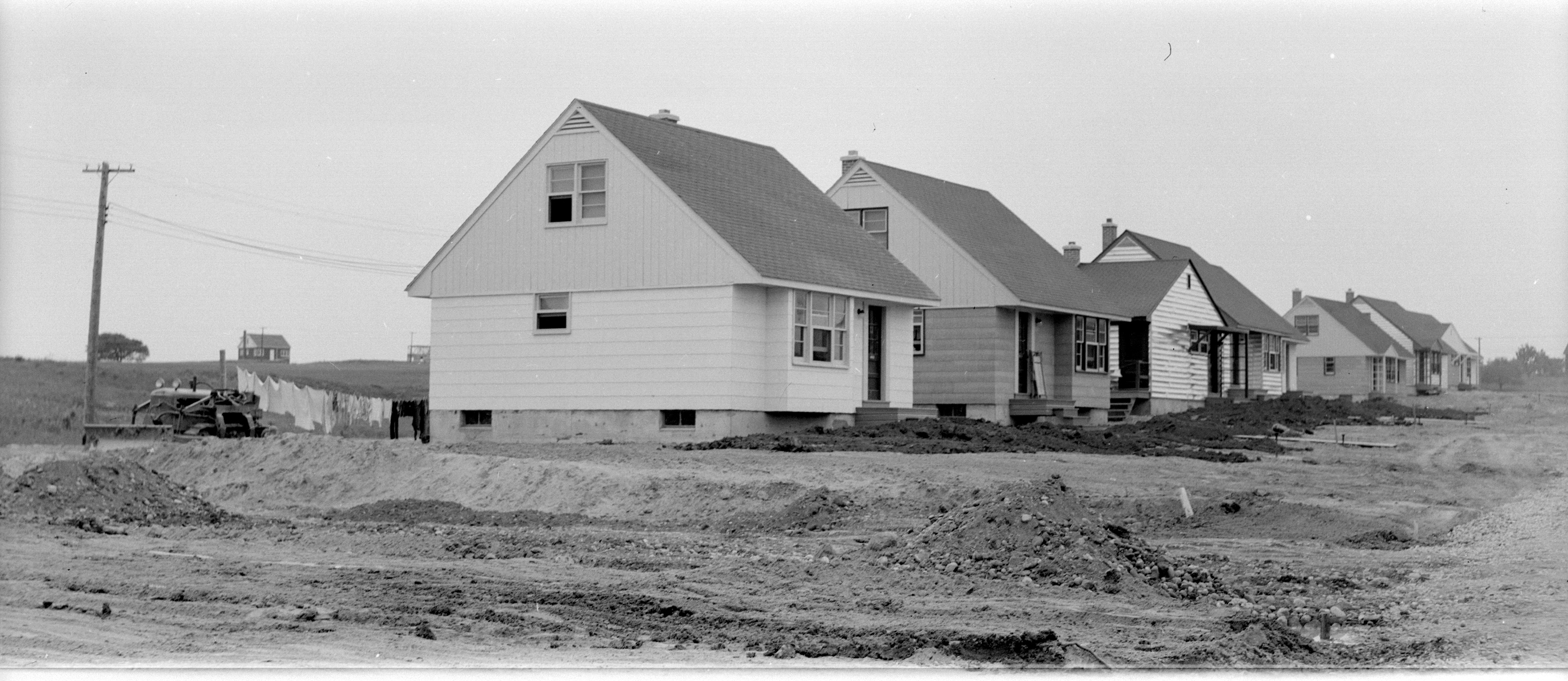
The economic boom that occurred in postwar Canada meant Canadians could afford to build homes for the first time in years. The Federal Government responded by forming two housing companies: Wartime Housing Limited and Housing Enterprises Canada Limited.

Working with local municipalities, Housing Enterprises Canada Ltd. put together a series of plans using Canada’s best architects, engineers, and builders. Building materials, especially lumber, were in great demand after the War. There were two main house types built in this neighbourhood: terrace or row houses, and the 1 ½-storey home. These homes were often referred to as wartime housing or veteran’s housing. The structures built by Housing Enterprises Canada Ltd. were prefabricated and assembled on site. They were able to create affordable designs that could be built easily and quickly anywhere in Canada.

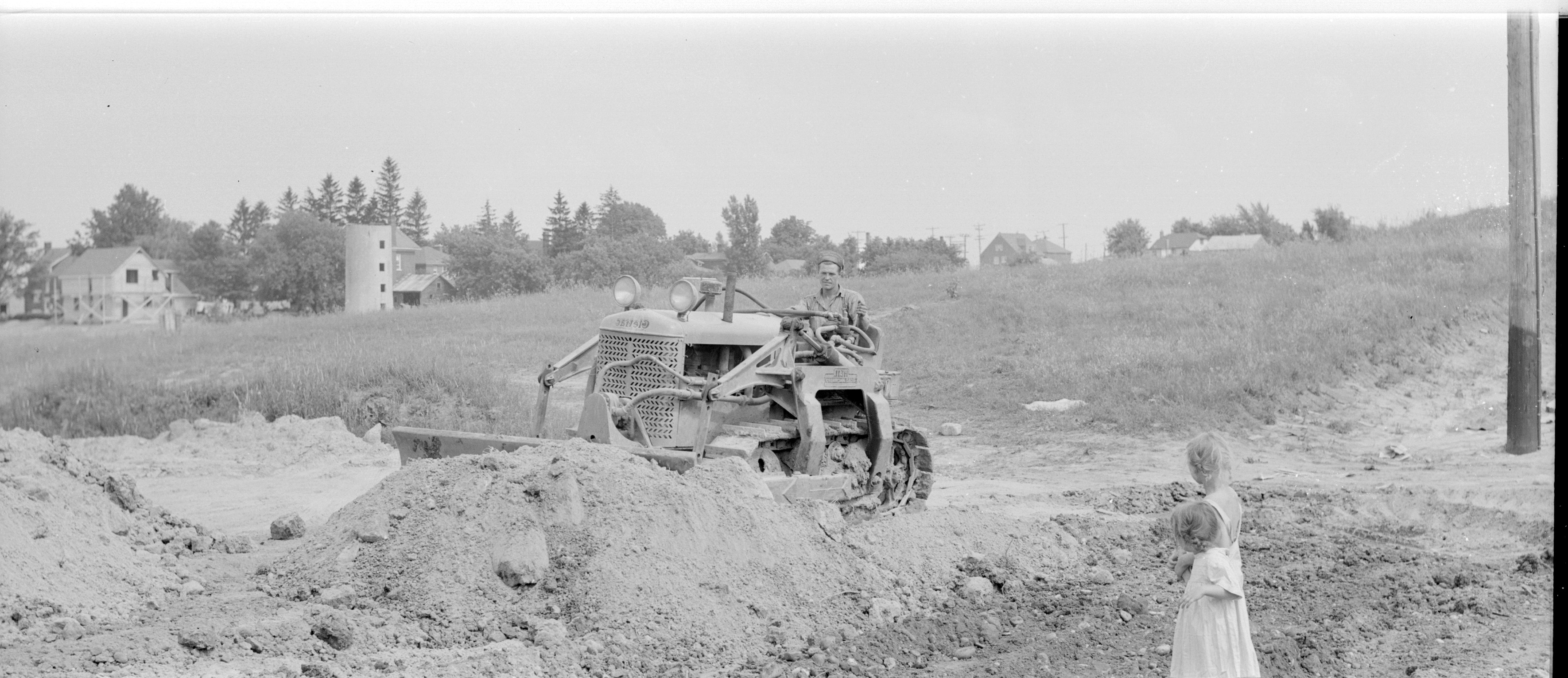
The housing development was described as “Waterloo’s biggest individual construction project.” The new development between Dearborn (now University Avenue) and Hill Street became known as the Hillcrest Development. The once empty farmlands of Waterloo’s north end took on a middle-class look. New streets opened with rows of neat bungalows, a scheme that would influence the look of modern subdivisions to come.
Veterans Get Priority
Under the Veteran’s Land Act, homes built during this period had to be offered to veterans before placing them on the open market. The second phase of construction was announced in 1948. This second phase also produced dwellings available for veterans to rent or lease. These units would have two, three, and four bedrooms for a rental cost of $48.00-$55.00 a month.

In 1947, when the 50 terrace units (now Maple and State Courts) were completed, Private Margaret Eileen Ayers and her family were one of the first occupants at 8 Maple Court. She recalls the early years:
“Apart from being a veteran, you also had to have two children to qualify for living in the complex. The new residents were greeted with no lawns or roads. Wooden skids were used for sidewalks and the nearest telephone was at the corner... It was a close neighbourhood; we were all veterans so we had something in common.”

A Civilian Again
The Federal Ministry of Veteran’s Affairs released the booklet “Back to Civil Life” to support returning service members. This was a booklet designed to introduce ex-service members to postwar opportunities.
The Veterans' Green Neighbourhood
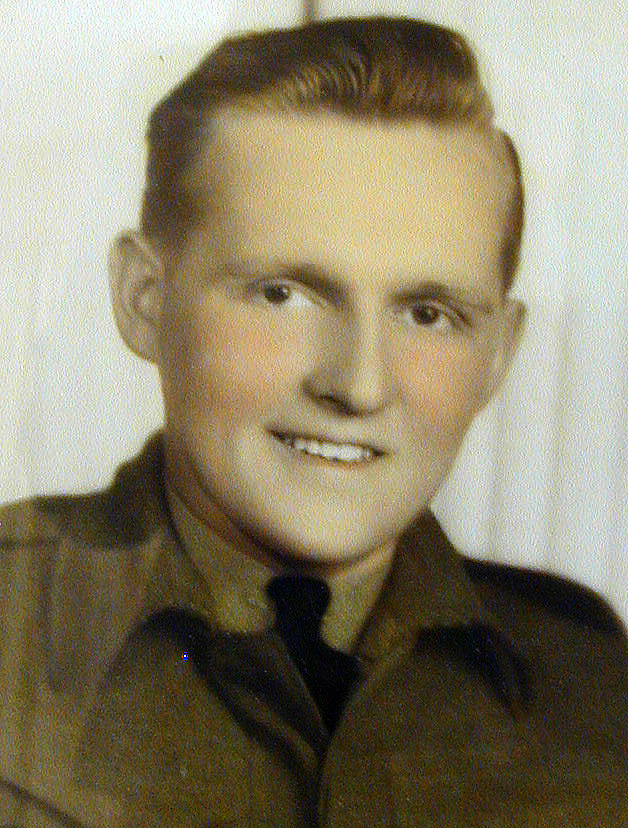
Between 1944 and 1945, advertisements in local newspapers across the country encouraged veterans to take advantage of the many benefits offered, including home ownership. When Army Sapper/Engineer Keith Beal (sole owner of 22 Fir Street, Waterloo) came home in 1946, he recalls the housing situation:
“There were no homes. I stayed with my parents and began working where I made 35 cents an hour.”

The LaPierre Family - 36 Dearborn Street (University Avenue) & 1 Maple Court
The LaPierre family name has a long association with the Veterans’ Green area. Edward LaPierre, a Private during World War Two, was originally from Owen Sound, Ontario. His wife Catherine O’Keefe was from Driftwood, Ontario.

Due to the availability of jobs, they married and settled in Waterloo, Ontario after the War. The couple and their children first moved into 36 Dearborn Street (now University Avenue) in the late 1950s. For a short period they relocated to Central Avenue only to come back to the neighbourhood in 1964 to live at 1 Maple Court. Here they raised their large family of eight children: Linda, Sandra, Francine, Janet, Denise, Karen, Debbie and Edward in one of the three bedroom terrace homes.

The Gordon Family – 36 Dearborn (University Avenue)
Jack Gordon was a Corporal stationed in Holland at the end of the War when he met and married Wilhelmina (Mime) in Nijmegen, Holland. After the War, Jack and his Dutch war bride began their life together in the Northern Ontario town of Kenora. After a few years up north, the couple and their three children returned to live at Jack’s parents home in Harriston, Ontario. It was during this time that Jack was hired at Kist Beverage Company. When the company moved to Bridgeport, Ontario, he and Mime moved their family, now consisting of five children (Jerry, John, Paul, Lauren and Anne) to 36 Dearborn Avenue.


The Davidson Family – 2 State Court
Cleveland (Cleve) Davidson, a Corporal in Second World War, from Brussels, Ontario, and Phyllis Davidson, a Waterloo girl, met through a friend and were married on March 20, 1948 in Waterloo.

After the war, Cleve became a truck driver and Phyllis a homemaker. They moved into 2 State Court in 1956 where they raised their family of four children: Larry, Jane, Maureen and Brad. Number 2 State Court was occupied by the Davidsons until 1998.


The Ayers Family – 8 Maple Court & 20 Fir Street
Mervyn (Merv) and Eileen (nee Norris) Ayers both served in the Second World War. Merv was originally from Manitoba and Eileen was born in Guelph, Ontario. They met on the train going to Woodstock, Ontario where Eileen worked in the Quarter Master store and drove trucks, while Merv was a motorcycle instructor. They were married during the War and stationed at the same camp. The couple and their two children were the first to occupy 8 Maple Court. Eileen recalls the muddy conditions of the neighbourhood. After spending eight years in Maple Court, Merv and Eileen purchased 20 Fir Street for $7,700 and moved their family of now three children, Lew, Cheryl and Gary, into the 1 ½-storey house. Following his discharge from the Military, in 1945, Merv worked for Dominion Rubber in Kitchener, Ontario. Following Merv’s passing, Eileen continued to live in the house until 2003.

The Beal Family – 22 Fir Street
Keith Beal was a Sapper Engineer during World War II and served overseas in France, Italy, England, Belgium, and the Netherlands. He and wife Verna raised their two children, Terry and Deborah, at 22 Fir Street. Keith recalls the process for acquiring the home in 1949: “You went to Central Mortgage and Housing and filled in the paperwork and waited. Then one day they called us and we went down to the office and they handed us a key. You weren’t given a choice of houses; we had wanted another house up the corner. We had been checking out the neighbourhood beforehand but we didn’t get it.” They rented the home for 13 years for $38 per month. Deciding to purchase the home, they had to come up with a down payment of somewhere between $300-$350. The sale price of the house was $7,500.

The Brenner Family – 277 State Street
Marcel (Michael) and Margaret (nee Burke) Brenner met after the War at a military function in Toronto, Ontario and were married in Margaret’s hometown of Ayton, Ontario in 1948. Michael, a Royal Canadian Air Force Veteran, became a brewmaster at Carling Brewery in Waterloo, Ontario.

The couple moved to 277 State Street in 1949 and raised a family of five children (Tom, Doug, Donald, David, and Anne Marie) in the three bedroom home. Anne Marie, their only daughter, remembers that the boys occupied the two bedrooms and she had to share a bedroom with her parents. The family lived there for 34 years before moving out in 1983

The Dunn Family – 262 Hazel Street
Ralph Dunn of Kitchener was a Private in the Army during the Second World War. While stationed overseas, he met his wife Freda while on leave in Truro, Nova Scotia. Freda, from Debert, Nova Scotia, was attending church when she met her future husband. They married in 1944 and came to live in Kitchener, Ontario after the War. Due to the lack of housing, they lived with his parents on Glasgow Street until they could move their family into 13 Maple Court.

Ralph was employed at Dominion Rubber and Freda worked at Merchants’ Rubber on Breithaupt Street in Kitchener, Ontario. The couple worked opposite shifts so that there was always someone to look after the children. On July 14, 1949 the Dunn family, with children Robert, Jack, William, Linda, Gordon and Carl, moved into 262 Poplar (now Hazel) Street. The family lived in this house until 2002.

The Balcarras Family – 21 Maple Court
Don Balcarras served with the Essex Scottish Regiment during the Second World War. It wasn’t until after the War that he met and married Edna. A Sergeant friend of Don’s, who was married to Edna’s sister, introduced the couple.

On September 18, 1948 they were married in Edna’s hometown of Galt, Ontario. When they moved into 21 Maple Court in 1957, Don had found work at the Ontario Die Company in Waterloo. He spent 49 years with the company. The family would grow to include four boys; Don, Robert, David and Ron. They moved out in 1985.

The Whaley Family – 18 Maple Court
Jack Whaley, a Royal Canadian Air Force Veteran, married Cecilia Zettle in 1939. They raised a family of six children at Maple Court; Marianne, Jay, Rick, Patricia, Mark and Kathleen. Realizing the unit was becoming crowded, the couple moved before their seventh child, Janice, was born. They spent a total of seven years in Maple Court. Son Mark recalls his time growing up there.


The Kieswetter Family – 21 Fir Street
Frank and Elsie Kieswetter met in Kitchener, Ontario at a dance held at the Summer Gardens Dance Hall on Queen Street. Frank was a Private in the Army and drove for the Corporal. Elsie, from Dauphin, Manitoba, came to Kitchener to help with the War Effort, working at Merchants’ Rubber on Breithaupt Street. After the War, the couple and their son Rick lived in a small apartment with Frank’s parents. Frank, a truck driver with Carlings Brewing, was always on the road. It was Elsie who actually went to Canada Mortgage and Housing and filled out the paperwork to obtain a house for the family.

The couple’s application was accepted and Elsie surprised Frank with the keys to their new home at 21 Fir Street. The family then grew to include sons Dennis and Gary. After their children moved out, Frank & Elsie continued to live in the home for a total of 45 years.


The McHugh Family – 256 State Street
John and Dorothy McHugh were originally from Whales, Great Britain. John had served as a Corporal with the Welsh army during the Second World War. He spent three years in a prisoner of war camp in Singapore following his capture while working on the bridge over the Kwai River. Upon his release, he weighed a mere 68 pounds. After the War he met and married Dorothy. Following the arrival of their first son, the couple moved to Kingston, Ontario where John joined the Canadian Army.

Having heard of job opportunities in Waterloo, they moved to 256 State Street in 1960. John found work as a press operator for Lee Ziegler. Members of the McHugh family continued to live here for 45 years. Siblings Robert, Brian and Michele remember the children in the neighbourhood.


The Norris Family – 267 Hazel Street
The Norris family was not new to Veterans’ housing when they moved into 267 Hazel Street. Prior to settling in the area, they had lived in wartime housing in Fergus and Guelph, Ontario.

Ronald (Ron) Norris, a Corporal in the Canadian Army, was from Alma Township, Ontario. He met and married Peggy Springate while serving in England.


After the War, the couple finally came to settle in Waterloo, Ontario where Ron worked at Weston’s Bakery in Kitchener. Together, the couple raised their three boys, Brian, Keith and Adrian (Andy), on Hazel Street. Like many of the men in the area, Ron would take his turn tending the community skating rink. Another favourite neighbourhood activity enjoyed by the Norris boys was building go-karts from old bicycle and buggy parts.


The Graham Family – 32 Hickory Street
Fred Graham started his military career attending Sea Cadets in his home town of Brantford, Ontario. When war was declared, he enlisted in the ranks of the Royal Canadian Navy in September, 1943. After the War, he met his wife Kaye Deane from London, Ontario at a dance hall in Port Stanley, Ontario. They married in Brantford in September, 1948 and moved to Waterloo, Ontario having heard about the affordable housing available for first time buyers in the area.

The family, with three children, moved into the neighbourhood in 1958 residing at 32 Hickory Street. Both Fred and Kaye worked while their family continued to grow. Eventually, they had six children, Gary, Glenn, Karen, Jeff, Candi and Chuck, all living in the three bedroom home. The family lived at 32 Hickory Street until 1984.

The Bonhert Family – 20 Hickory Street
Jerome Bohnert served in the Hamilton Light Infantry during the Second World War. Originally from Hanover, Ontario, he met his wife Ruby from Walkerton, Ontario, through siblings. Before coming to live at 20 Hickory Street in 1949, the young family lived on George Street in Waterloo, Ontario.

Jerome was a truck driver with Koch Transport. The couple raised three children, Donna, Donald (Skip) and John (Jack), in the family home. When Jerome passed away in 1979, Ruby continued to reside in the house until her death in 1995.

The Trodden Family – 262 State Street
Patrick and Anne Trodden emigrated from Scotland to Canada, settling first in Timmins, Ontario where Patrick worked in the goldmines. After spending three years up north, they move to Waterloo where Veterans’ housing was available. In May of 1963, the Trodden family moved into 262 State Street and raised their family including Lynn, Gail, Patricia and Mark.

The Oberholzer Family – 44 Hickory Street
Francis and Pearl Oberholzer moved in 1949 to Hickory Street. The couple, both from the Kitchener-Waterloo area, married after the War in 1947. Francis was a Private in the Army and went to work for Bauer Felt while Pearl found work as a cook at the University of Waterloo.

Their large family consisted of eight children: Donna, John (Jinx), David Gail, Pat, Steve, Debbie and Scott. John and David were one of three sets of twins born in the neighbourhood. All three sets of twins celebrated their second birthday together in 1951. Francis and Pearl lived in their Hickory Street home until 1998. Daughter Gail then purchased the home and continued to live there until 2000.

The Hangartner Family – 36 Hickory Street
John Hangartner was a member of the 48th Field Squadron Engineers during the Second World War. He and his wife Betty raised their large family of eight children Bonnie, Shirley, Linda, John, Debra, Barbara, Daryl and Michael in their 1 ½-storey home on Hickory Street. Residents in the area referred to the neighbourhood as “Incubator Hill or Alley” due to the large number of babies born here. The Hangartners, like many of their Veteran neighbours, paid $7,000 for their house. They continue to reside in the neighbourhood.

The Couture Family – 30 Hickory Street
Both Clement (Clem) and Grace (nee Shantz) Couture were Privates in the Canadian Army during the Second World War. Clem served with the Perth Regiment overseas, whereas Grace served in Canada, initially at Camp Ipperwash working in the canteen.

Prior to enlisting in the Army, Grace, a local girl, worked for seven months at Waterloo’s Sunshine Manufacturing Company making smoke bombs. When Clem was wounded in Italy he was sent to Westminster Hospital in London, Ontario to convalesce. It was there that he met Grace who had been transferred to a guard position at the hospital. They were married during the War on December 8, 1944.

It was through Grace’s sister, Olive Blancher, who was already living on Hazel Street, that the young couple learned about the housing opportunity in this area. Clem and Grace applied to Canada Mortgage and Housing and in 1954, and they moved into 30 Hickory Street. Clem now worked for Joseph E. Seagram and Sons Limited and Grace worked out of the home, sewing curtains for Beaupre’s Custom Draperies. Over the next ten years, the Couture family grew to include children Clifford, Bryan, Roland, Wayne, Barbara, Grant and Kevin. Realizing the home was too small, the Coutures moved out in 1963.

The Gingrich Family – 42 Hickory Street
Isaiah (Ike) and Hilda (nee Graff) Gingrich both served in the Canadian Armed Forces during the Second World War. Ike, a North Woolwich County local, was a Private in the Army whereas Hilda, a Waterloo, Ontario resident, was a Private Leading Air Woman (L.A.W.) for the Air Force.

They met on a trolley ride in Kitchener-Waterloo, Ontario; Ike was sitting alone on the trolley and Hilda asked if the seat next to him was taken. They were married in 1947 at St. Mark’s Lutheran Church in Waterloo.

They moved into Hickory Street as first time buyers with three children. Their family grew to include nine children: Alan, Ruthanne, Richard, Jennifer, Paul, Sandra, Theodore, Phillip and Susan. Amongst the nine were two sets of twins. Ike made his living working for Dominion Rubber and Hilda for Kitchener Diaries. For 52 years they called 42 Hickory Street home.
Growing Up in the Neighbourhood
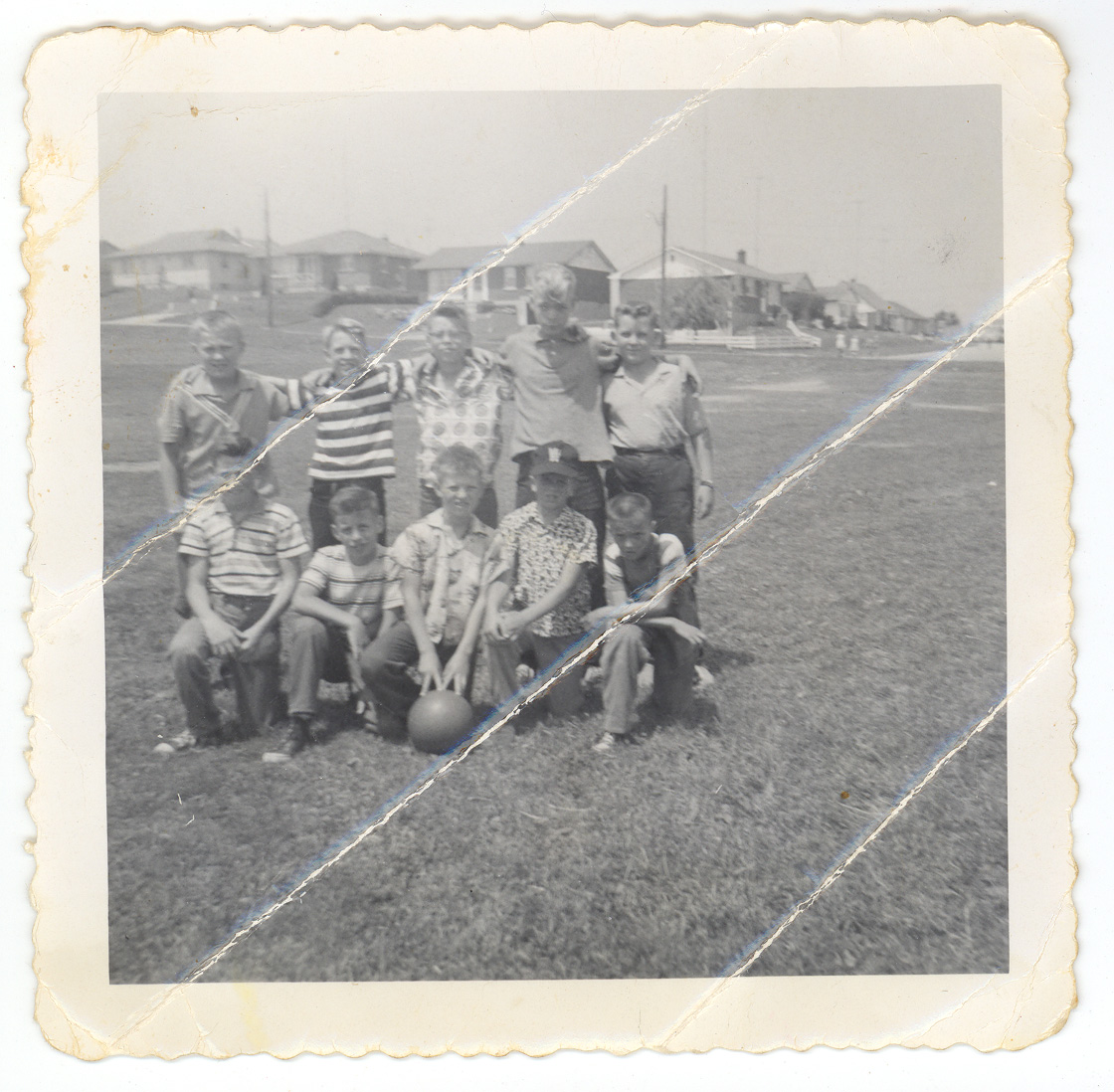
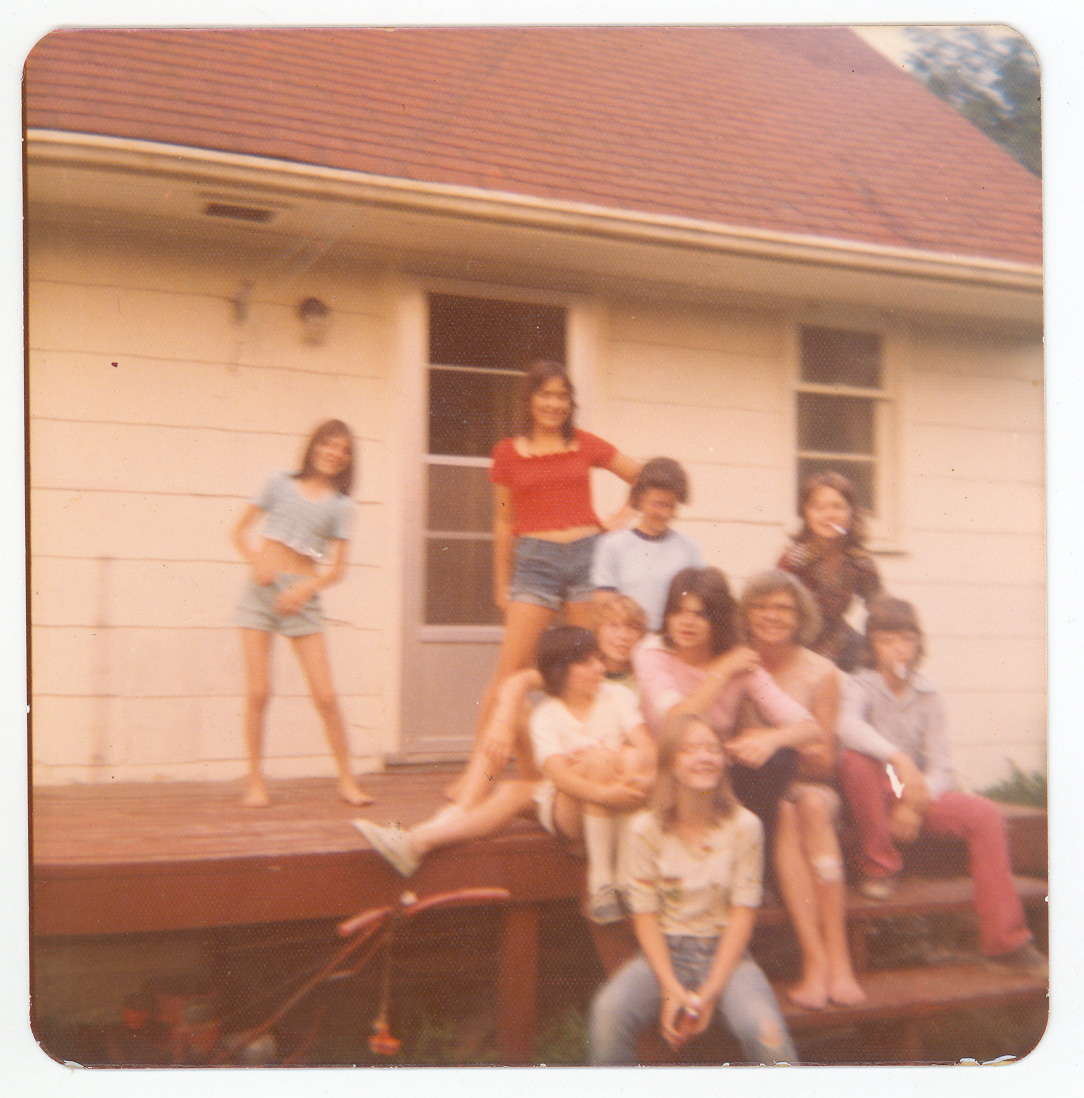
As families settled into their new suburban surroundings, a sense of community began to take root. The common ties that brought them together as a neighbourhood resulted in the building of a community rink on Hazel Street, a horseshoe pit in the back of Maple Court, and community garden plots on Albert Street.

The neighbourhood bond would continue well past the first generation. Debbie LaPierre, whose family occupied 1 Maple Court for over 40 years, recalls the changes in the neighbourhood:
“There are not many children living here anymore. There used to be lots of children playing in the neighbourhood.”


In the 1970s, families came together for block parties. In 2003, a neighbourhood reunion rekindled friendships and memories of growing up in this area.
A Neighbourhood of Schools
Waterloo’s population increased dramatically following the Second World War. Many veterans and their families gravitated to the town for its strong industry and housing developments.

The growing number of children in the Veterans’ Green area was adding pressure on the local elementary school systems. To keep up with the demand, Central Public School, built in 1861, was demolished along with a neighbouring home and replaced by MacGregor School. The school was named for C. J. MacGregor, a former principal of Central Public School.

Gradually, this neighbourhood shifted and became home to many university students attending Wilfrid Laurier University and the University of Waterloo. The quaint 1½ storey wartime homes have now been renovated into rental properties to address the need for short-term housing.