
Privately owned publicly accessible spaces (POPS)
Privately owned publicly accessible spaces, known as POPS, are spaces that are privately owned but open to the public.
On this page:
Why POPS are important
POPS strengthen Waterloo’s network of public spaces:
- create value and support social well-being
- bridge publicly owned spaces with private buildings and sites
- support place-making
- benefits residents, employees and visitors
POPs are meant to extend or complement public spaces like parks and plazas, not replace them.
How POPS are created
POPS are negotiated with developers during the development review process, using tools available through the Planning Act.
Examples of POPS
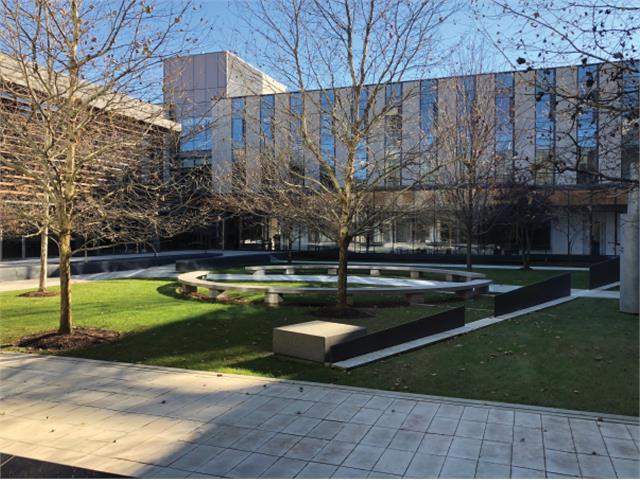
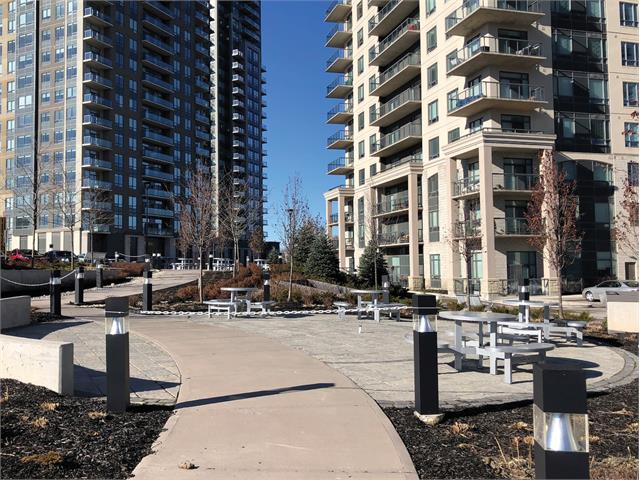
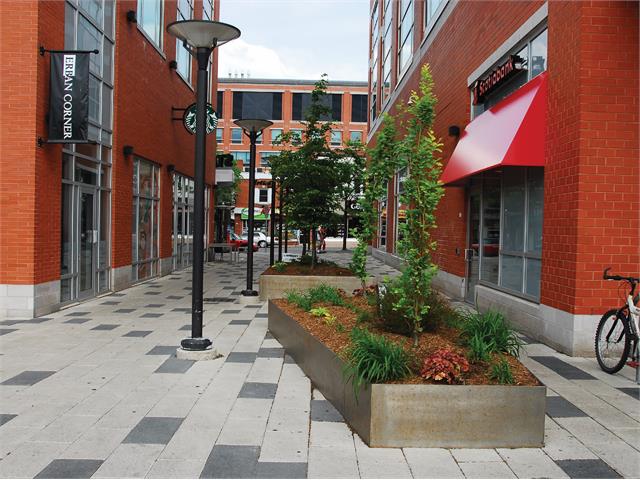
POPS can include:
- forecourts and front yards
- courtyards
- enhanced walkways
- plazas
- gardens
Read the POPS guidelines
For full requirements and design expectations, read the Privately Owned Publicly Accessible Spaces guidelines.
Download POPS guidelines (PDF)
You may also find these resources helpful: